
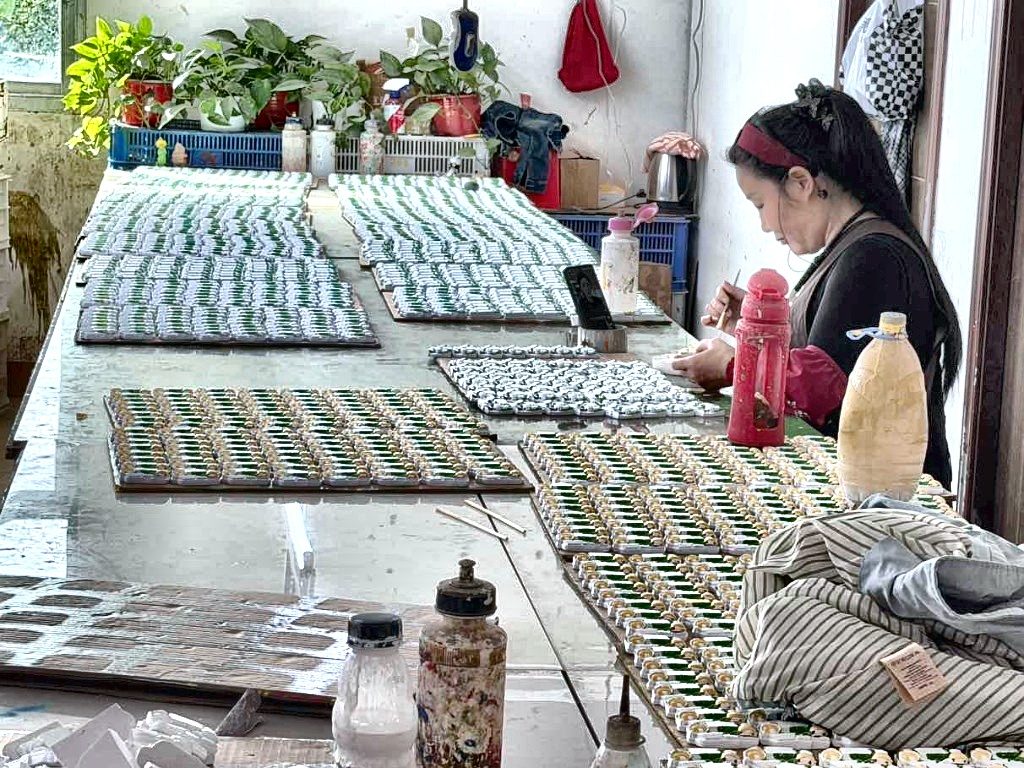
In August of 2024, the co-founder of a high-growth designer toy and tabletop gaming studio based in Austin, Texas, called my engineering office in extreme distress. His team had successfully raised over $420,000 on Kickstarter for a limited-edition series of four intricate fantasy monster sculptures. Under their campaign promises, backer fulfillment was scheduled to begin in mid-November. However, the legacy factory they had hired in another coastal manufacturing hub had been stuck in manual clay sculpting for over sixty days. Every time the factory sent photos of the clay master, subtle yet critical anatomy was distorted: the creature's facial proportions did not match the licensed digital concept art, symmetrical horns were noticeably misaligned by several millimeters, and modifying the oil clay took the sculptor another seven to ten days per iteration. The creators were staring at a catastrophic three-month shipping delay, furious backer comments, and the collapse of their studio's reputation.
When the creator transferred their native ZBrush 3D digital sculpting files to ArtisResin's engineering servers on a Tuesday morning, our rapid response team went to work. By Wednesday afternoon—exactly twenty-eight hours later—our industrial Stereolithography (SLA) 3D printers had materialized all four physical master prototypes in high-definition photosensitive polyurethane resin at 25-micron layer resolution. On Thursday, our master sculptors dressed the parting lines and hand-textured the organic scales. On Friday, our artisan paint kitchen matched their Pantone color specifications and completed full hand-painted color proofing. Exactly six business days after their initial call, four flawless, drop-tested physical prototypes were sitting on the creator's desk in Texas via DHL Express. That creator is now one of our largest multi-container OEM partners.
Over my twenty-six years in the fine art casting and tooling industry, I have witnessed the transformative technological shift from purely manual craft to computer-aided additive manufacturing. Yet, many global buyers remain caught between two extremes: old-school factories that reject modern 3D technology and force clients into painful month-long clay sculpting cycles, or pure digital rapid-prototyping bureaus that print rigid plastic models but have zero understanding of silicone mold release mechanics, draft angles, or polyresin casting physics. At ArtisResin Craft Co., Ltd., we have pioneered an integrated Hybrid Digital-Artisan Prototyping Pipeline. In this engineering whitepaper, I will compare 3D digital SLA printing against master clay sculpting, demonstrate how our hybrid methodology accelerates time-to-market by over 75%, and outline our transparent 100% tooling fee rebate architecture.
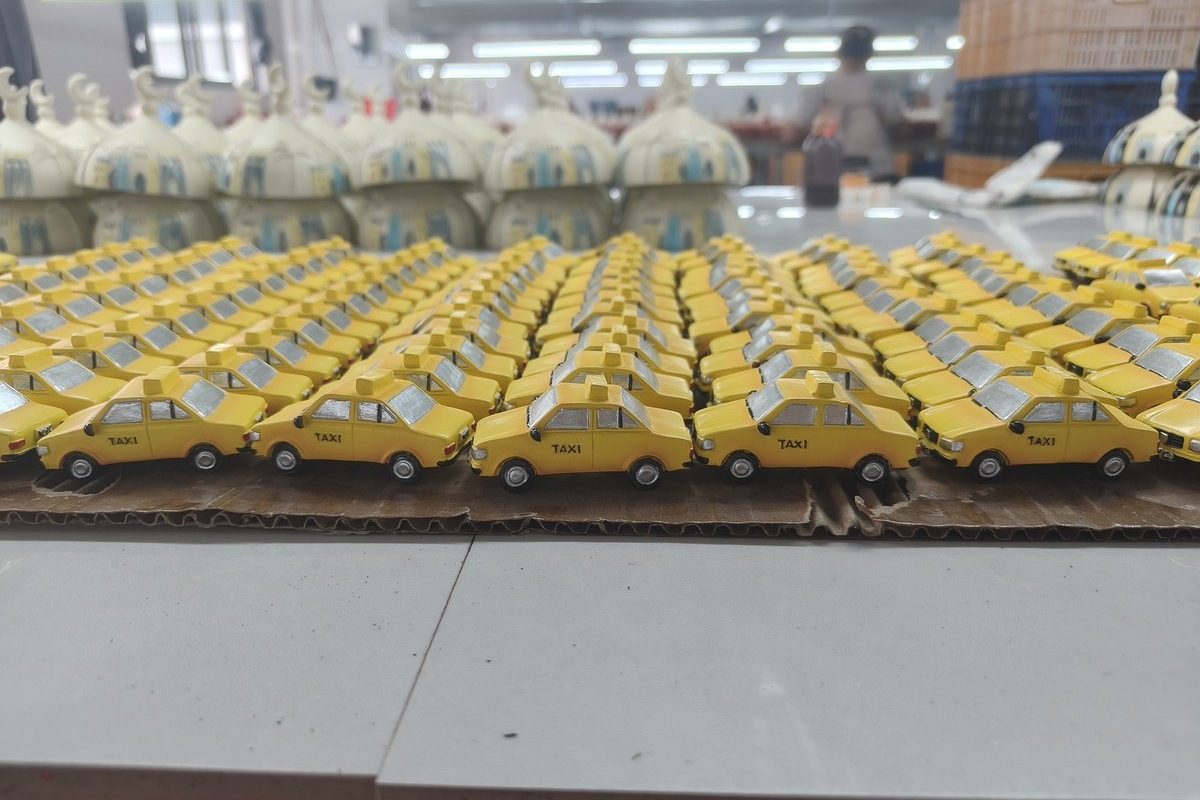
1. The Mechanical Comparison: SLA Additive Manufacturing vs. Traditional Oil Clay
To make smart product development decisions, brand owners and industrial designers must understand where digital 3D additive manufacturing excels and where master human hands remain irreplaceable:
The Precision Strengths of 3D Digital Sculpting & Industrial SLA Printing
- Mathematical Symmetry & Dimensional Precision: In classical clay sculpting, maintaining true bilateral symmetry across facial landmarks, architectural pillars, or geometric faceted planes requires hours of manual caliper measurement. Even veteran sculptors introduce human variance of ±0.5mm to ±1.2mm. In digital ZBrush sculpting, symmetrical mirroring guarantees that the left and right horns, eyes, or wings are mathematically identical to within ±0.02mm.
- Exact Licensed IP Reproduction: When producing corporate mascots, licensed movie characters, or video game figures, brand guidelines are uncompromising. SLA printing converts the client's native 3D polygonal mesh directly into physical geometry, eliminating any subjective artistic 'reinterpretation' by factory laborers.
- Ultra-High Layer Resolution (25 Microns): Low-cost consumer 3D printers (FDM filament or budget desktop LCD printers) leave visible layer ridges ('stair-stepping') that require heavy manual sanding, which blurs crisp details. ArtisResin operates industrial-grade top-down SLA printers utilizing high-intensity 355nm solid-state lasers operating at 25-micron vertical layer resolution (0.025mm). The resulting physical surface is glass-smooth, perfectly capturing 0.1mm micro-textures, clothing stitching, and fingernails without layer artifacts.
- Instant Digital Re-Scaling and Posing: If a client decides that a 120mm prototype would have greater shelf presence at 180mm, or wishes to tilt an arm by 10 degrees to improve drop-test balance, our 3D modelers execute the change digitally in two hours, rather than forcing a sculptor to demolish and rebuild a clay armature over two weeks.
The Irreplaceable Soul of Master Clay Sculpting
- Hyper-Organic Textures & Folk-Art Warmth: While digital CAD software is supreme for crisp geometries, certain artistic categories—such as the flowing, wind-swept beard of a traditional Victorian Santa, the textured fur of woodland wildlife, or the impressionistic chisel marks on a fine-art bust—often look unnaturally sterile or mathematically repetitive when generated purely by computer algorithms. Master sculptors using warm oil clay and wooden modeling spatulas impart an organic, spontaneous human warmth that collectors intuitively cherish.
- Real-Time Physical Center of Gravity & Weight Balance: A digital 3D model floating in software space does not experience real gravity. A statue that looks dynamic on a computer monitor may instantly topple over when cast in physical resin. Working with physical clay armatures allows veteran mold masters to evaluate physical tip angles, base counterweight requirements, and demolding draft clearances in real physical space before cutting expensive production molds.
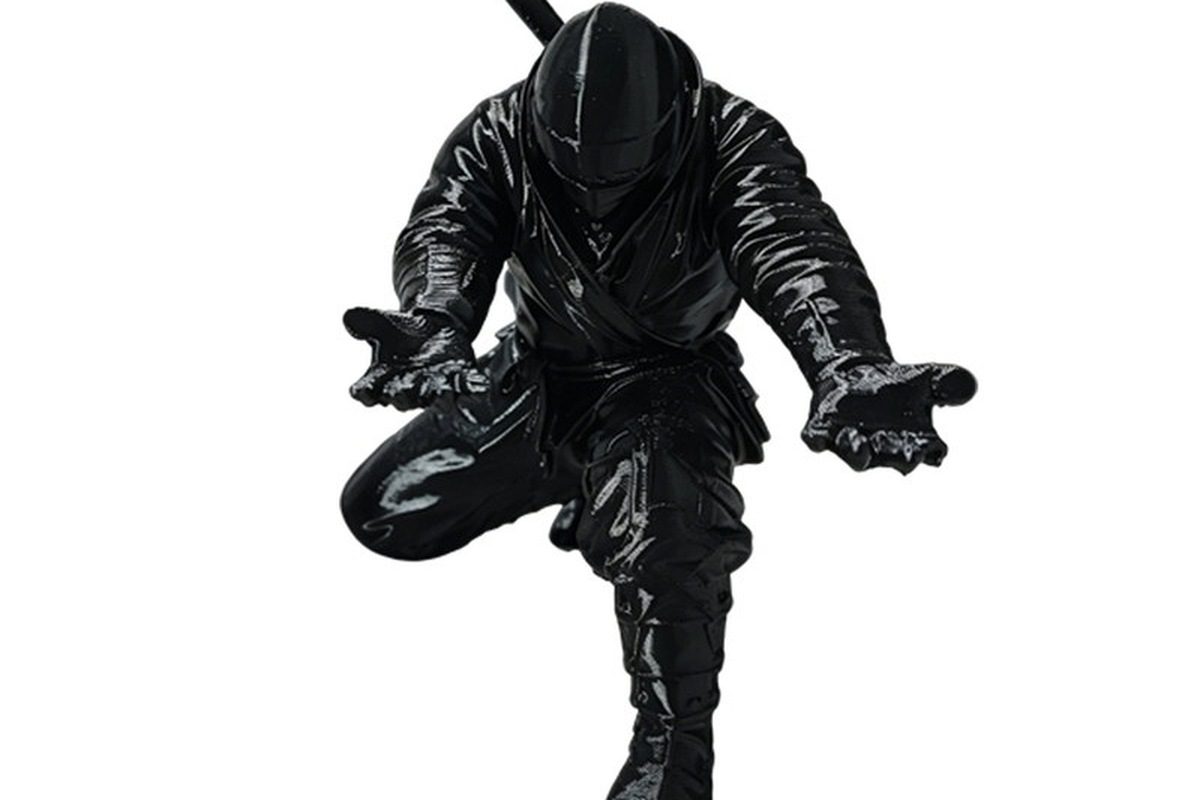
2. ArtisResin's Hybrid Synthesis Workflow: From 2D Sketch to Sample in 5 Days
Rather than treating digital technology and traditional sculpture as competing methods, ArtisResin fuses both into a seamless, six-stage Hybrid Development Pipeline:
- Stage 1: 2D Concept to High-Res ZBrush Sculpt (Day 1 – 2): Our digital sculpting team imports the client's 2D vector drawings, character turnarounds, or reference photographs. Within 48 hours, we build a multi-million polygon digital sculpt in ZBrush, incorporating correct draft angles (minimum 1.5° on all vertical walls) and interlocking keyways for multi-piece assembly. We generate an interactive 360-degree online 3D turnaround link, allowing the client to rotate, zoom, and approve the digital geometry on their smartphone or browser.
- Stage 2: 25-Micron Industrial SLA 3D Printing (Day 3): Upon digital sign-off, the master model is sliced and sent to our industrial SLA print farm. The master prototype is grown in tough, heat-resistant photosensitive polyurethane resin over a 16-to-24-hour print cycle, followed by automated isopropanol ultrasonic washing and UV thermal chamber curing.
- Stage 3: Master Artisan Surface Dressing & Detailing (Day 4): The printed master model passes directly to the studio of Chief Sculptor Jian Chen. Veteran artisans inspect every contour, micro-sanding parting seams with 800-grit diamond film and hand-carving deep undercut accents, hair foliation, and organic drapery textures directly onto the physical master core to inject museum-level artistic vitality.
- Stage 4: Platinum Silicone Sample Tooling (Day 5): The dressed master model is encapsulated in Shore A 28 addition-cure platinum silicone elastomer inside a rigid fiberglass mother jacket. Cured under gentle 45°C heat, the silicone mold is demolded, revealing a flawless, tear-resistant cavity capable of reproducing sub-micron surface detail.
- Stage 5: Vacuum Degassed Casting & Cleanroom Hand-Painting (Day 6): First-off prototype castings are poured under -0.095 MPa vacuum degassing, ensuring 100% zero surface pinholes. The casting moves into our dust-free paint studio, where master colorists match the client's Pantone standards using waterborne acrylic enamels and hand-stippled patinas under calibrated D65 daylight lamps.
- Stage 6: Drop-Tested Packaging & Express Dispatch (Day 7): The finished painted prototype is fitted into custom laser-cut EPE foam clamshell packaging, verified for zero breakage under simulated drop shock, and dispatched to the client via international air express.
| Development Phase | Legacy Factory Clay Process | ArtisResin Hybrid 3D SLA Pipeline | Client Operational Benefit |
|---|---|---|---|
| 2D Concept to 3D Geometry | 10 – 14 Days (Manual Oil Clay) | 48 Hours (ZBrush Digital Sculpt) | Interactive 360° Online Digital Approval |
| Client Revision Cycle | 7 – 10 Days per Adjustment | 24 Hours (Real-Time Mesh Tuning) | Zero Distortion; Instant Geometry Turnaround |
| Physical Master Core Fabrication | 12 – 16 Days (Slow Clay Hardening) | 24 Hours (25μ Industrial SLA Print) | ±0.05mm Precision; Glass-Smooth Surface |
| Artisan Detailing & Dressing | Included in Slow Clay Phase | 1 Day (Master Artisan Fine-Tuning) | Combines CAD Symmetry with Artisan Warmth |
| Sample Platinum Silicone Tooling | 7 – 10 Days (Crude Mother Molds) | 24 Hours (Engineered Aluminum Mold Shells) | Zero Parting Seam Flash (<0.08mm) |
| Hand-Painting & Color Proofing | 5 – 7 Days (Uncontrolled Lighting) | 48 Hours (D65 Calibrated Pantone Matching) | Exact Pantone Tolerances (ΔE < 0.8) |
| Total Concept-to-Sample Lead Time | 35 – 45 Calendar Days | 5 – 7 Business Days | >75% Reduction in Time-to-Market! |
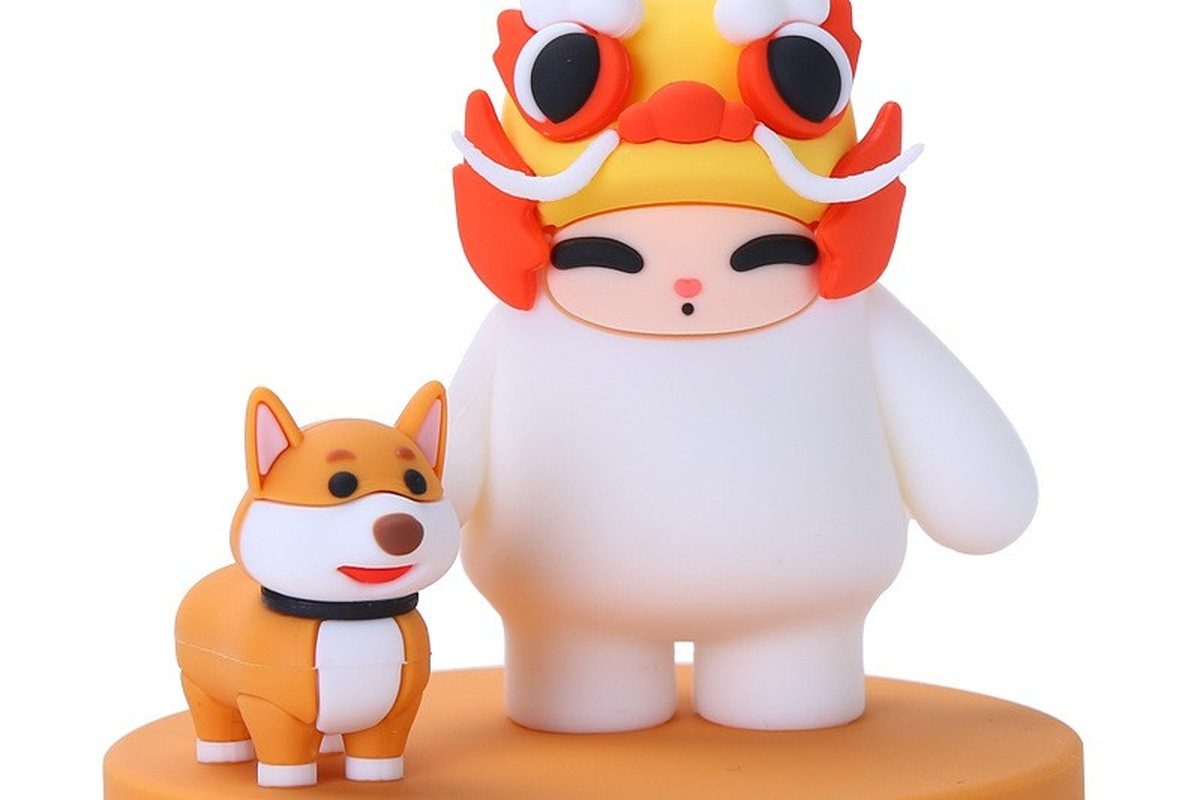
3. Tooling Amortization Economics & The 100% Mold Rebate Incentive
In traditional manufacturing, overseas factories frequently treat prototype tooling as an aggressive profit center, demanding high upfront fees while refusing to disclose mold ownership terms. If the product fails to sell, the buyer loses thousands of dollars in sunk tooling costs; if the product succeeds, the factory holds the molds hostage.
ArtisResin operates under a completely transparent, buyer-aligned commercial framework:
- Transparent, Low-Barrier Prototyping Fees: For standard custom decorative figurines up to 250mm height, our complete digital sculpting, SLA physical 3D printing, and master hand-painted color proofing package is billed at an agile development fee typically between $180 and $350. This includes full ownership of the digital 3D STL/OBJ files, unlimited digital micro-revisions, and physical delivery of the painted proof.
- Contractual 100% Tooling Fee Rebate:
When your team approves the prototype and issues a commercial purchase order, production multi-cavity silicone and steel tooling fees are clearly itemized. We institute an automatic, legally binding 100% Tooling Fee Rebate Clause in our contract:
ArtisResin Tooling Rebate Milestone Schedule:
- When cumulative order volume reaches 1,000 units: 50% of the initial tooling development fee is credited back on the commercial invoice.
- When cumulative order volume reaches 2,000 units: The remaining 50% is credited back in full.
→ Net Effective Tooling Cost for Your Brand = $0.00! - Guaranteed Mold Exclusivity & Strict NDA Protection: We sign comprehensive Non-Disclosure Agreements (NDAs) prior to receiving your 2D concepts or 3D files. Your custom molds are assigned a dedicated barcode, stored in our climate-controlled tooling vault, and used exclusively for your brand's purchase orders. ArtisResin never exhibits custom client OEM designs in public trade shows or sells overrun stock to third-party traders.
In addition to rapid prototyping and master tooling fabrication, ArtisResin's engineering department provides comprehensive pre-production Design for Manufacturability (DFM) documentation for every custom OEM development project. Prior to cutting production silicone cavities, our tooling engineers generate an exhaustive 12-page DFM Engineering Dossier for client sign-off. This dossier includes digital parting line color mapping, draft angle verification heatmaps, identified vacuum riser coordinates, calculated center-of-gravity tipping safety angles, and finite element stress analysis of cantilevered thin-wall sections under simulated 1-meter drop shock. By providing complete engineering transparency before raw materials are cast, we eliminate subjective manufacturing surprises, guarantee strict adherence to brand IP licensing tolerances, and ensure seamless transition from initial 3D digital proofing into defect-free, multi-container mass production.
5. Large-Format Sculptures: Digital Core Splitting & Internal Armature Assembly
When developing large-format custom polyresin sculptures exceeding 400mm in height—such as life-sized garden wildlife, luxury architectural centerpiece vases, or dramatic collector busts—producing the entire master model as a single monolithic block is often inefficient. Large solid blocks increase printing time, risk thermal warping during post-curing, and make multi-cavity silicone mold demolding exceptionally difficult on deep undercuts.
To optimize large-scale development, ArtisResin's digital engineering studio utilizes an advanced Digital Parting & Keyway Splitting SOP inside Siemens NX and ZBrush. The master 3D sculpture is digitally segmented into modular sub-assemblies (such as the main torso, limbs, extended wings, and pedestal base). Each interlocking joint is engineered with precision male-female geometric keys (such as hexagonal registration bosses or dovetail slides) with a calibrated 0.15mm slip-fit tolerance. Furthermore, for pieces subject to high dynamic cantilever loads, our digital model incorporates hollow internal channels designed to receive high-strength SUS304 stainless steel reinforcement rods that span across the joint boundaries.
Once printed via our industrial SLA print farm, the modular master components are assembled, bonded with high-tensile structural acrylic adhesives, and surface-dressed by master artisans to achieve a seamless, continuous aesthetic surface prior to silicone mother mold fabrication. When mass-cast in production, the modular design allows factory technicians to demold complex components independently, reducing demolding shear stress on silicone cavity walls and extending tool life by over 35%. During final assembly in our cleanroom, the cured polyresin components are mechanically locked together using internal steel pins and industrial cyanoacrylate-methacrylate adhesives, yielding a structural joint that is actually stronger than the virgin polyresin matrix itself.
4. Buyer's Roadmap: How to Initiate a Custom Project in 48 Hours
To launch a custom polyresin project with ArtisResin, you do not need finished engineering CAD files. You can start with simple creative assets:
- Step 1: Submit Your Creative Brief (Day 1): Send us your 2D sketches, multi-view character turnarounds, photographic references, or rough concept art, along with desired height, target retail price, and estimated order quantity.
- Step 2: DFM Engineering Review & Quotation (Within 12 Hours): Our tooling team conducts a Design for Manufacturing (DFM) review. We evaluate draft angles, potential bubble trap points, and base stability, and provide a comprehensive quotation detailing unit price tiers, tooling fees, and the 100% rebate threshold.
- Step 3: 3D Digital Sculpt & 360° Online Review (Day 2 – 3): Our digital sculptors build your 3D model and email you a password-protected interactive 3D link. You can rotate the model in 360 degrees, inspect details, and request micro-adjustments in real time.
- Step 4: Physical 3D Print, Paint, and Express Dispatch (Day 4 – 7): Upon digital sign-off, we print the SLA master, apply hand-painted Pantone colors, package the prototype in drop-tested foam, and air-express the physical sample directly to your office for final executive review.
Frequently Asked OEM Prototyping Questions
Q1: What 3D file formats does ArtisResin accept?
A: We accept all major 3D engineering and artistic formats, including ZBrush (.ZTL, .ZPR), STEP, IGES, STL, OBJ, FBX, and 3DM. If you only have 2D graphic files (AI, PDF, PSD, PNG), our in-house digital sculptors will generate the complete 3D geometry for you from your 2D artwork.
Q2: Can we adjust the weight of the custom prototype to match our brand's luxury requirements?
A: Yes! Because we formulate our own composite slurries, we can calibrate physical density to your exact specification. We can formulate lightweight stone resin (1.70 g/cm³) for cost-effective e-commerce shipping, or load the formulation with heavy mineral stone powder or atomized bronze (up to 2.25 g/cm³) to provide an imposing, heavyweight luxury feel in the hand.
Q3: How fast can ArtisResin transition from an approved prototype into mass production?
A: Once you approve the physical painted prototype, our mold shop cuts the multi-cavity production silicone tooling within 5 to 7 business days. Mass casting, hand painting, 100% dual-inspector quality control, and export packaging for a full 20-foot or 40-foot shipping container typically takes 25 to 30 calendar days.
7. Hybrid Tooling Workflow: Multi-Axis CNC Master Core Machining with Hand-Sculpted Micro-Surface Finishing
The central strategic debate in contemporary decorative sculpture manufacturing is no longer whether to choose purely digital 3D parametric workflows or purely physical hand sculpting; the optimal competitive frontier lies in a tightly synchronized hybrid tooling paradigm. Pure 3D resin prints (SLA/DLP), while unmatched in symmetrical accuracy, mechanical fit, and rapid turnaround, frequently exhibit subtle digital tessellation artifacts, stepping lines along low-angle spheres, and an artificial coldness across organic biological textures such as facial cheek fat pads, animal fur flows, and flowing historical drapery. Conversely, pure oil-clay sculpting excels in warmth and dynamic organic soul, but struggles with multi-piece mechanical assembly tolerances, internal screw boss positioning, and precise wall-thickness uniformity.
ArtisResin bridges this divide through our proprietary Four-Stage Hybrid Prototyping Pipeline overseen by Chief Sculptor Jian Chen (25 years of master stone and resin carving experience) and our CAD/CAM reverse engineering team. In Stage 1, the client's 2D concept illustration, vector sketch, or rough polygon file is converted into high-density Sub-D digital models in ZBrush and SolidWorks, incorporating draft angles (greater than or equal to 1.5 degrees), internal hollow core shells (calibrated to 4.5 to 6.0 mm thickness for resin mass optimization), and hidden interlocking locators (male-female keyed plugs with 0.15 mm clearance).
In Stage 2, high-precision structural cores and rigid armature sub-assemblies are 3D printed using industrial 8K stereolithography machines at 25 micron layer resolution utilizing high-modulus ceramic-infused photopolymer resins. In Stage 3, the printed master core is transferred to Master Chen's artisanal sculpting atelier. Here, master sculptors hand-apply micro-crystalline modeling wax layers over critical aesthetic zones, utilizing micro-chisels, heated wire loops, and genuine natural textures (leather stamps, natural stone rubs, and boar-bristle stippling) to impart irreplaceable organic vitality and micro-undulations undetectable by CAD software. In Stage 4, the unified hybrid master pattern is vulcanized in platinum-cure silicone tooling. This dual-disciplined methodology delivers the best of both worlds: full functional sample delivery within 5 to 7 calendar days, mechanical interlocking assembly precision within 0.08 mm, and museum-grade aesthetic expressiveness that commands premium retail price points on luxury home decor, licensed gaming IP, and international cultural heritage collections.